 |
 |
 |
|---|

 |
 |
|---|
 |
|
|---|---|
 |
 |
|
|
 |
|
|
|
 |
|
|
|
 |
|
|
|
 |
|
|
|
 |
|
|
|
 |
|
|
|
 |
 |
|---|
The Quest for the Best DNA: Navigating the Complex Landscape of Genetic ChoicesIn an era where the marvels of genetic science unfold at an unprecedented pace, the pursuit of the 'best DNA' has become a tantalizing prospect for many. With the promise of tailoring our genetic make-up, ensuring health, longevity, and even intelligence, it's easy to be swept away by the allure. However, like any profound advancement, it comes with its own set of complexities and pitfalls. To truly understand what constitutes the 'best DNA,' it's imperative to delve into both the potential and the common missteps that enthusiasts and practitioners alike should be wary of. Firstly, it's essential to recognize that genetic diversity is nature's way of protecting against widespread vulnerabilities. While it might be tempting to think of the 'best DNA' as a homogenous set of 'superior' genes, such a notion overlooks the importance of variability. Nature, in its wisdom, has equipped populations with a vast array of genetic combinations to withstand diseases, adapt to changing environments, and ensure the survival of the species. Thus, one of the most significant mistakes in the quest for the best DNA is to prioritize certain genes without understanding their role within the broader genetic landscape. Another common pitfall is the over-reliance on genetic determinism. While our genes indeed play a critical role in shaping who we are, they are not the sole architects of our destiny. Environmental factors, lifestyle choices, and even chance events contribute significantly to our development. Therefore, focusing exclusively on genetic optimization can lead to a narrow perspective, potentially neglecting these crucial elements. It's a subtle reminder that while our DNA provides the blueprint, we are far more than the sum of our genetic parts. Moreover, the burgeoning field of direct-to-consumer genetic testing has made genetic information more accessible than ever before. However, without proper guidance and interpretation, the data can often lead to misunderstandings. Many people fall into the trap of self-diagnosis, resulting in unnecessary anxiety or, conversely, false reassurance. It's vital to approach genetic testing with a critical eye and preferably under the guidance of a qualified genetic counselor who can provide clarity and context.
In conclusion, the journey towards harnessing the best DNA is as much about restraint and understanding as it is about ambition. By avoiding these common mistakes, we can better appreciate the profound possibilities that lie within our genetic code, all while respecting the delicate balance that nature has perfected over millions of years. The ultimate goal should not only be to seek the best DNA but to integrate it meaningfully into a broader vision of health and well-being. After all, the true essence of life is in its diversity, and therein lies the beauty and resilience of the human condition. https://www.23andme.com/dna-ancestry/?srsltid=AfmBOor_IsqTSt_N7TFq5c98KQ1r-z_RJAbHE5RGqctYGT4nNbFPFGD_
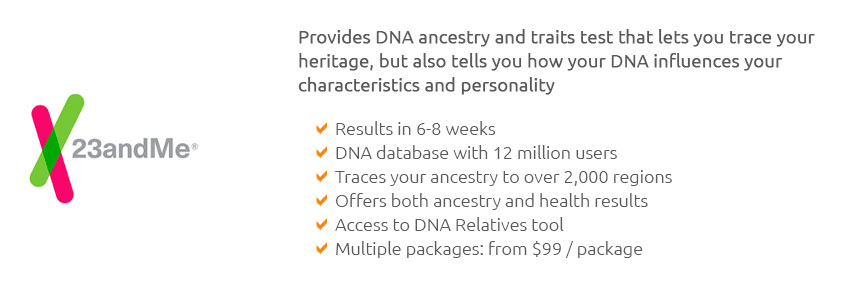
The best DNA kit with the most comprehensive ancestry breakdown and 30+ trait reports. 80+ personalized reports; Ancestry percentages (to the 0.1%); 3500+ ... https://www.agilent.com/en/product/sample-preparation/solid-phase-extraction-spe/top-dna-top-rna
TOP-DNA purifies oligonucleotides of up to 150-mer in length and from 200 nmol to 1 mol. TOP-DNA can also be used for sample preparation ...
|
|---|

